
Tools · Generative Audio
Discovering Longplayer: A 1,000-Year Symphony
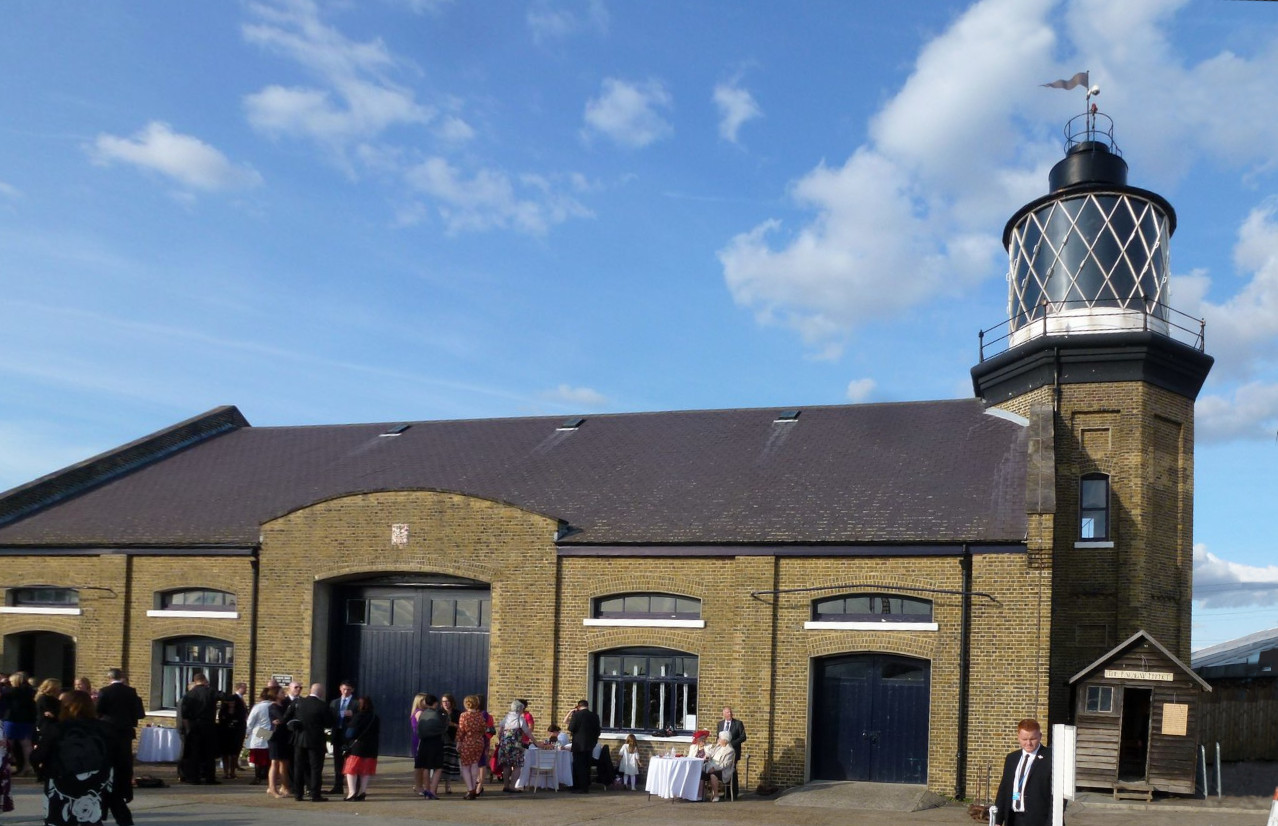
A few weeks ago, I stumbled upon something surreal while walking through Trinity Buoy Wharf in London - a calm, ambient drone filling a quiet lighthouse space. I soon learned I was listening to Longplayer: a piece of generative music designed to play for 1,000 years without repeating. That blew my mind.
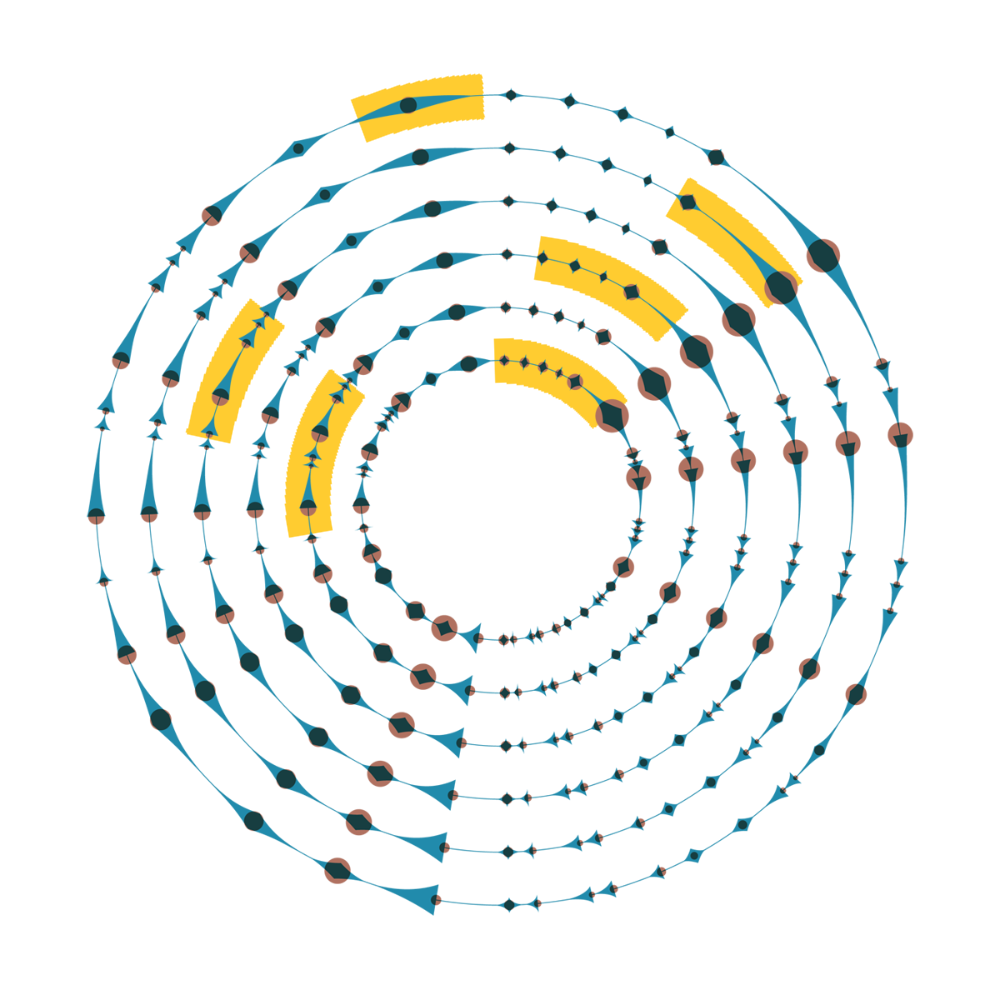
What is Longplayer?
Longplayer was created by Jem Finer in 1999. It’s a generative composition built from six short recordings of Tibetan singing bowls. The magic lies in how these loops are layered and time-shifted so they interact differently over time. It started playing on January 1, 2000 and is intended to continue - without repetition - until December 31, 2999.
Why I Found It Fascinating
As a developer who enjoys generative systems, this felt like music-meets-systems design at an epic scale. The system doesn’t store a 1,000-year-long file. Instead, it uses time - yes, real time - to determine exactly what should be playing at any given moment.
What makes it even more interesting: if power is lost, Longplayer resumes exactly where it should be based on the clock. It’s not sound that’s being saved, but the logic.
Recreating It As a Developer
That got me thinking: could I simulate this? My goal wasn’t to copy the full system, but to build a simplified, time-synced ambient engine that layers loops in a similar way. I chose React and Tone.js for clean state control and fine-grained audio timing.
The demo linked above is a small homage. It runs in the browser, uses the system clock to determine playback positions, and aims to give a glimpse of what a generative system feels like when built around real time.
What’s Next?
I’m thinking about adding spatial sound positioning (multi-speaker simulation), time zone syncing, and even remote shared sessions. There’s something poetic in the idea that a piece of code can run with the elegance of a musical composition.